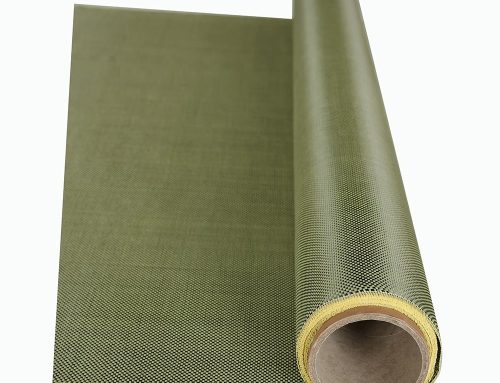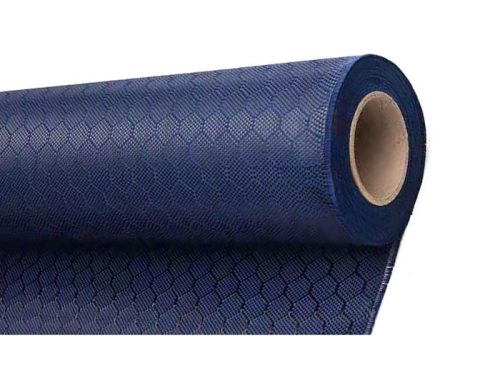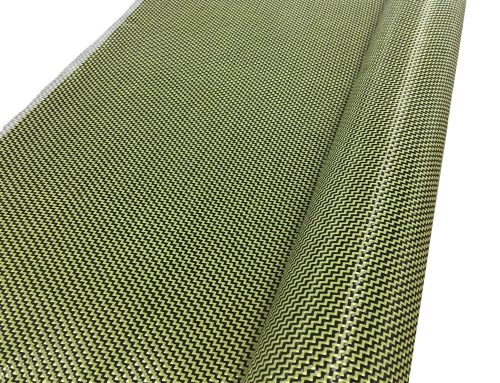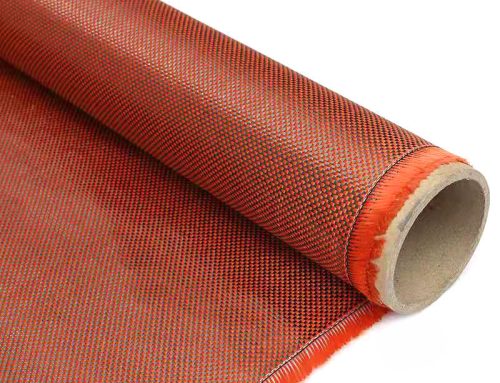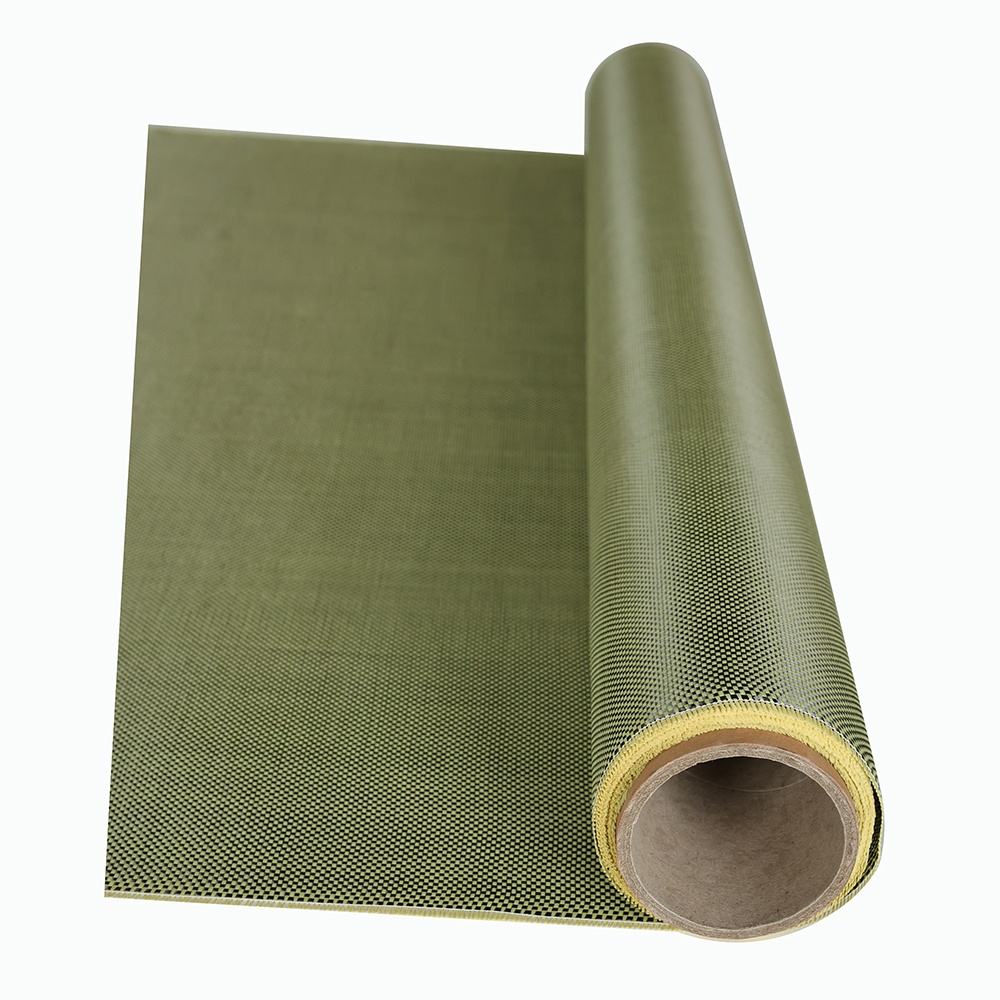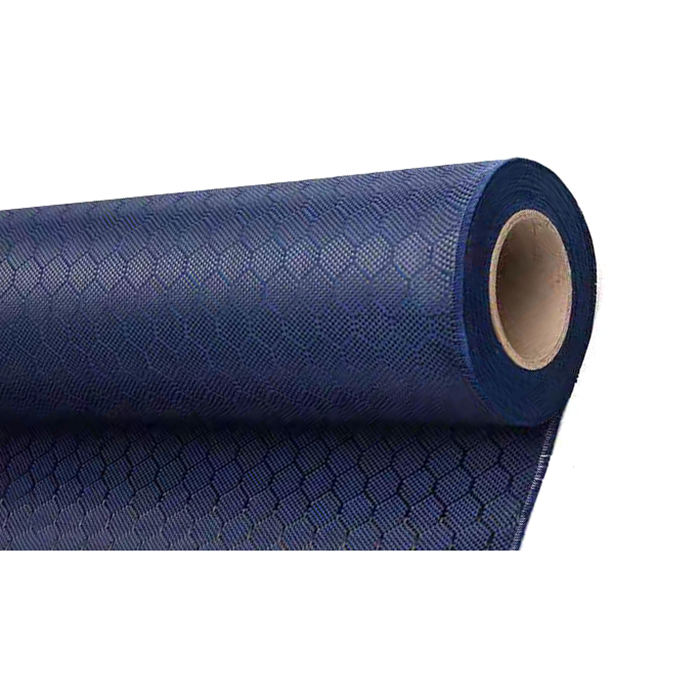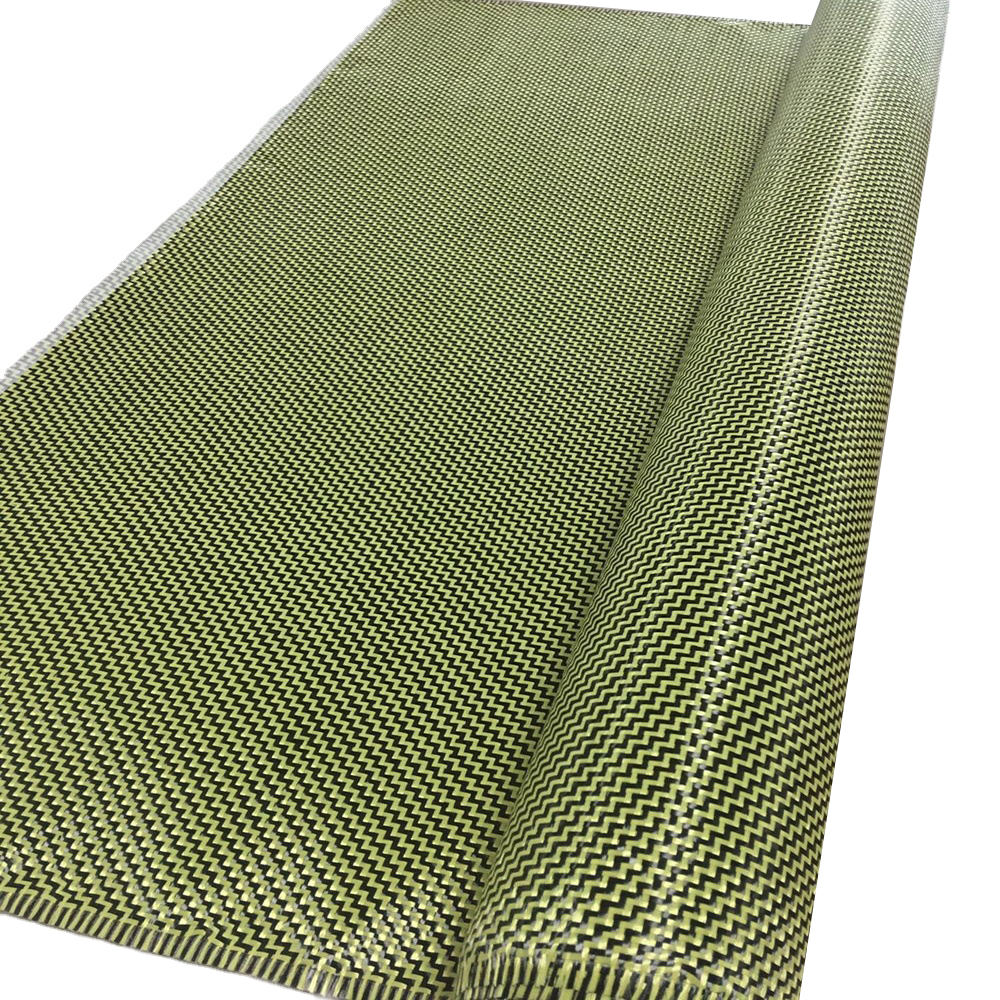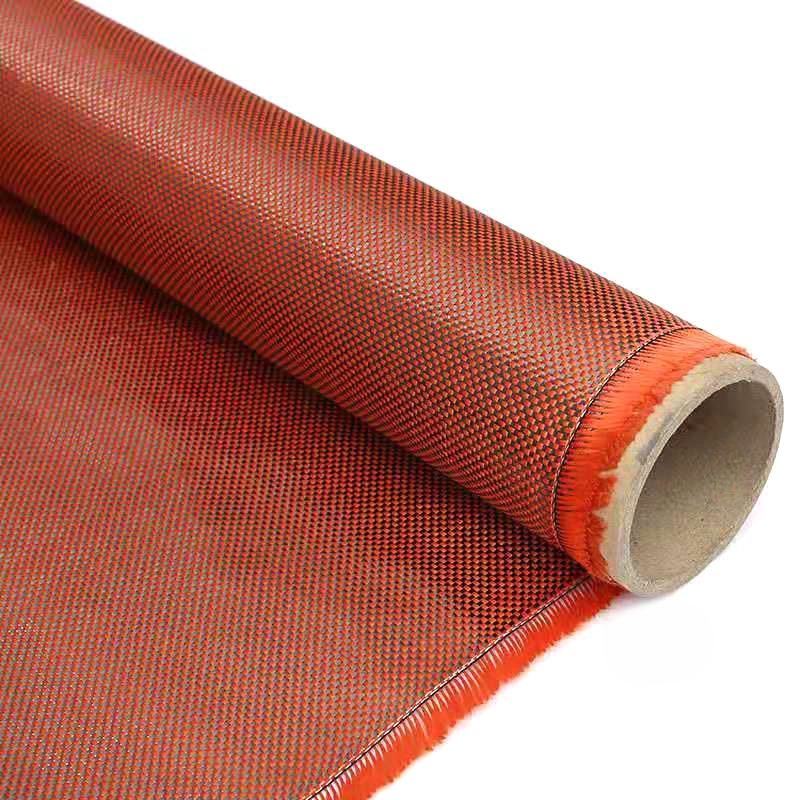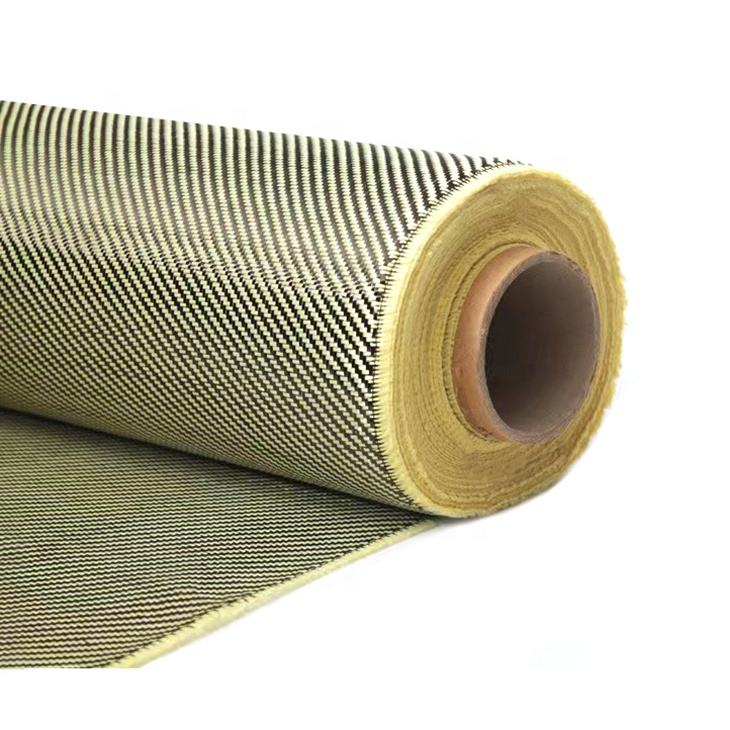
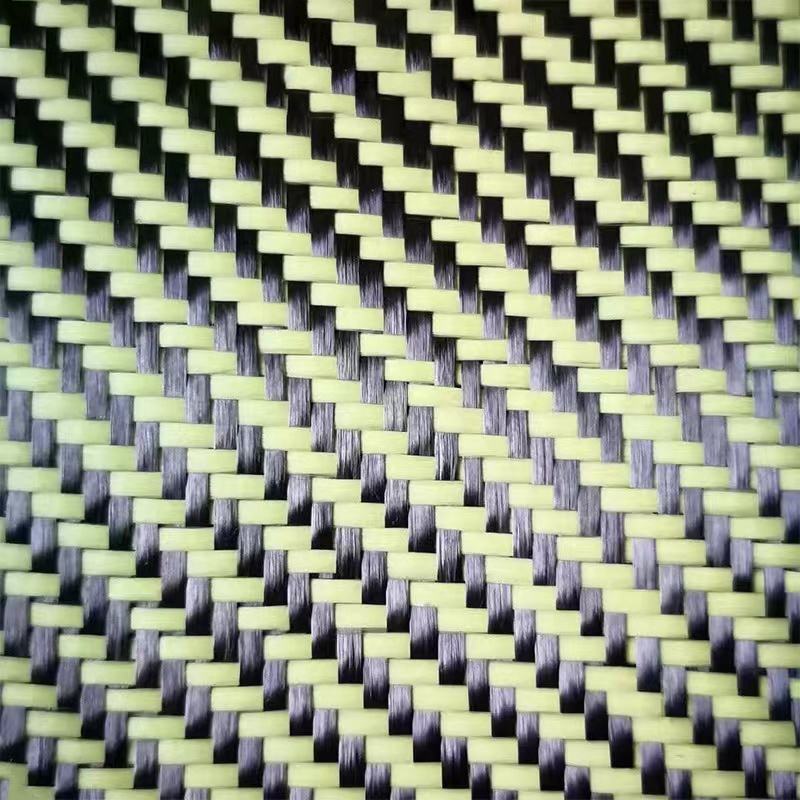
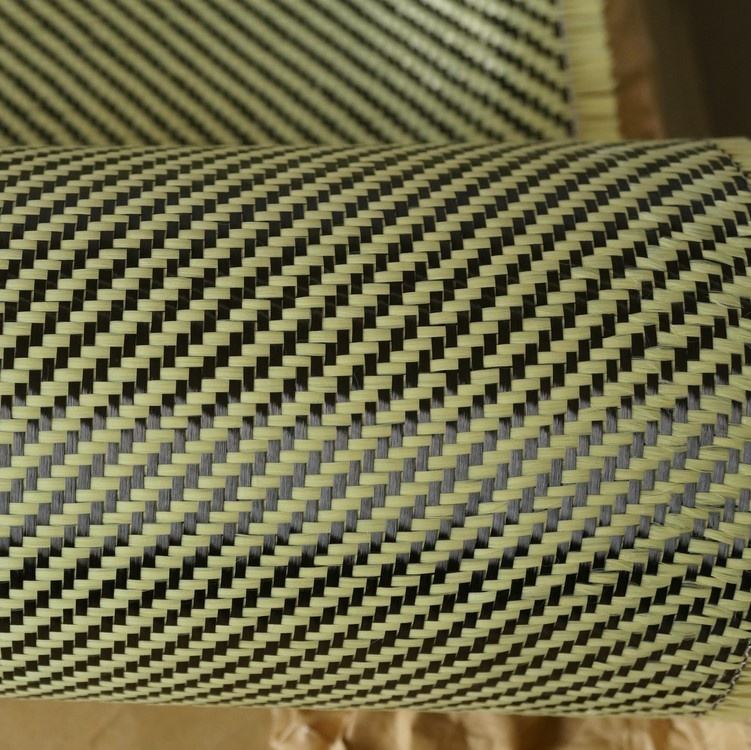
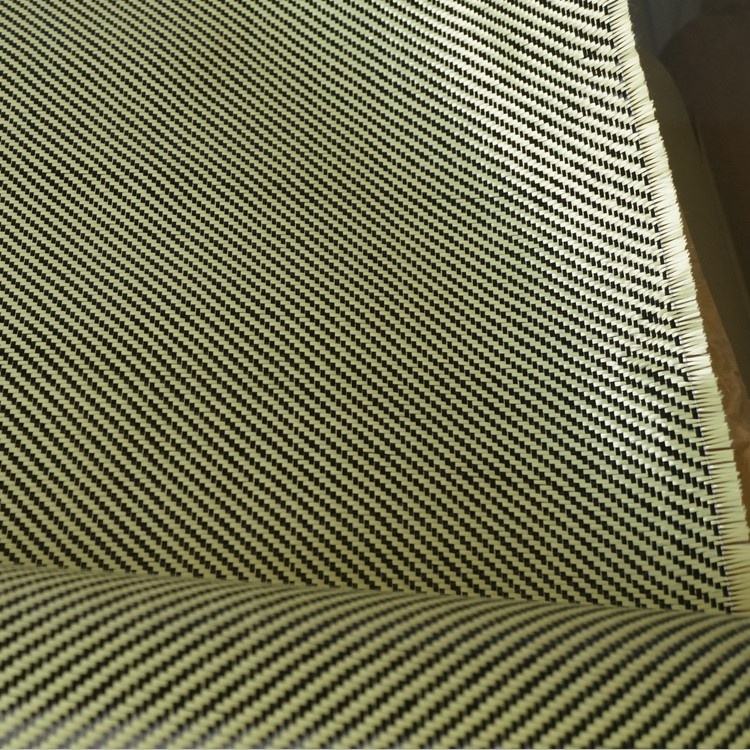
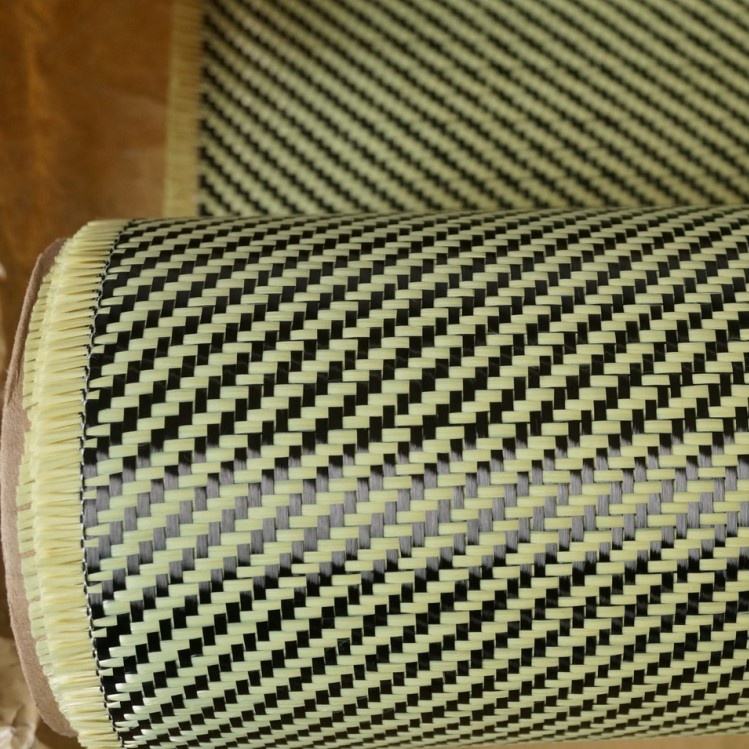
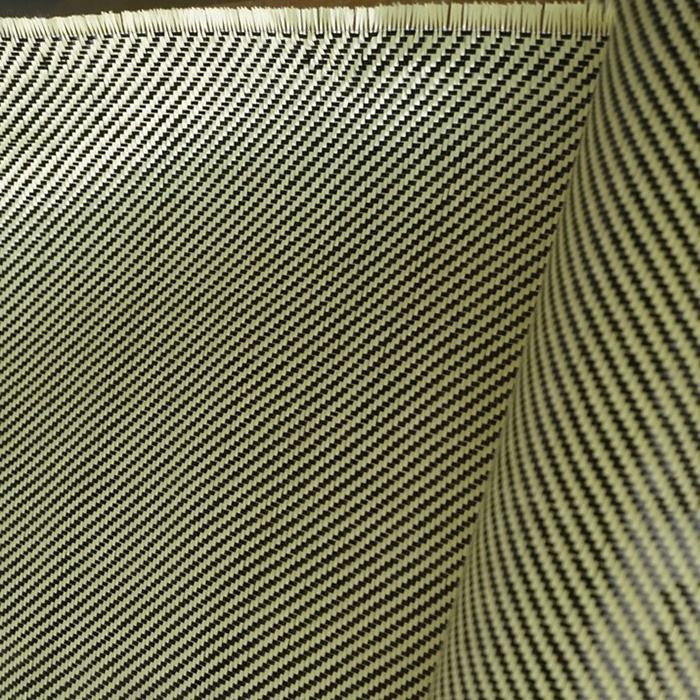
3K Carbon-Aramid Hybrid Woven Fabric
Product Description:
Carbon fiber blended fabrics are made by weaving carbon fiber with high-performance fibers such as aramid and glass fiber, resulting in lightweight, high strength, and durability. They combine the high rigidity of carbon fiber with the impact resistance and abrasion resistance of toughening fibers, offering superior performance compared to single materials. Specifications range from 1K to 12K, offering various weaves including twill and plain weave, thicknesses from 0.25 to 0.30 mm, and weights from 100 to 280 g/m². They possess shock-absorbing, thermally stable, flame-retardant, and antistatic properties, and colors can be customized.
Key Characteristics
Lightweight:
Carbon hybrid composites typically maintain a low density while offering improved toughness compared to single-fiber materials. Their weight is significantly lower than traditional metals, helping reduce overall structural mass without compromising performance.
Durability & Environmental Resistance:
The hybrid structure provides excellent resistance to corrosion, moisture, and ultraviolet radiation. These fabrics maintain stable performance even in harsh outdoor or industrial environments.
Impact & Wear Resistance:
By incorporating fibers such as aramid or glass fiber, carbon hybrid fabrics demonstrate superior impact resistance, abrasion resistance, and crack tolerance compared to conventional carbon fiber fabrics.
Mechanical Performance:
Carbon hybrid fabrics combine the high stiffness and strength of carbon fiber with the flexibility and toughness of other reinforcement fibers, resulting in improved fatigue resistance and structural reliability.
Electrical Properties:
Depending on the fiber combination, carbon hybrid fabrics can retain partial electrical conductivity while offering improved insulation or heat resistance compared to pure carbon fiber fabrics.
Applications:
Carbon hybrid fabrics are used across a wide range of industries, including aerospace, automotive, consumer products, and industrial manufacturing.
- Aerospace: aircraft interior structures, protective panels, secondary structural components
- Automotive: engine covers, body panels, bumper reinforcements, interior and exterior trim
- Sports & Recreation: bicycle components, protective gear, kayaks, skis, helmets
- Consumer Goods: luggage shells, bags, watch components, lifestyle and premium products
- Industrial & Specialized Uses: construction reinforcement materials, protective panels, high-precision models, and industrial wear-resistant parts